
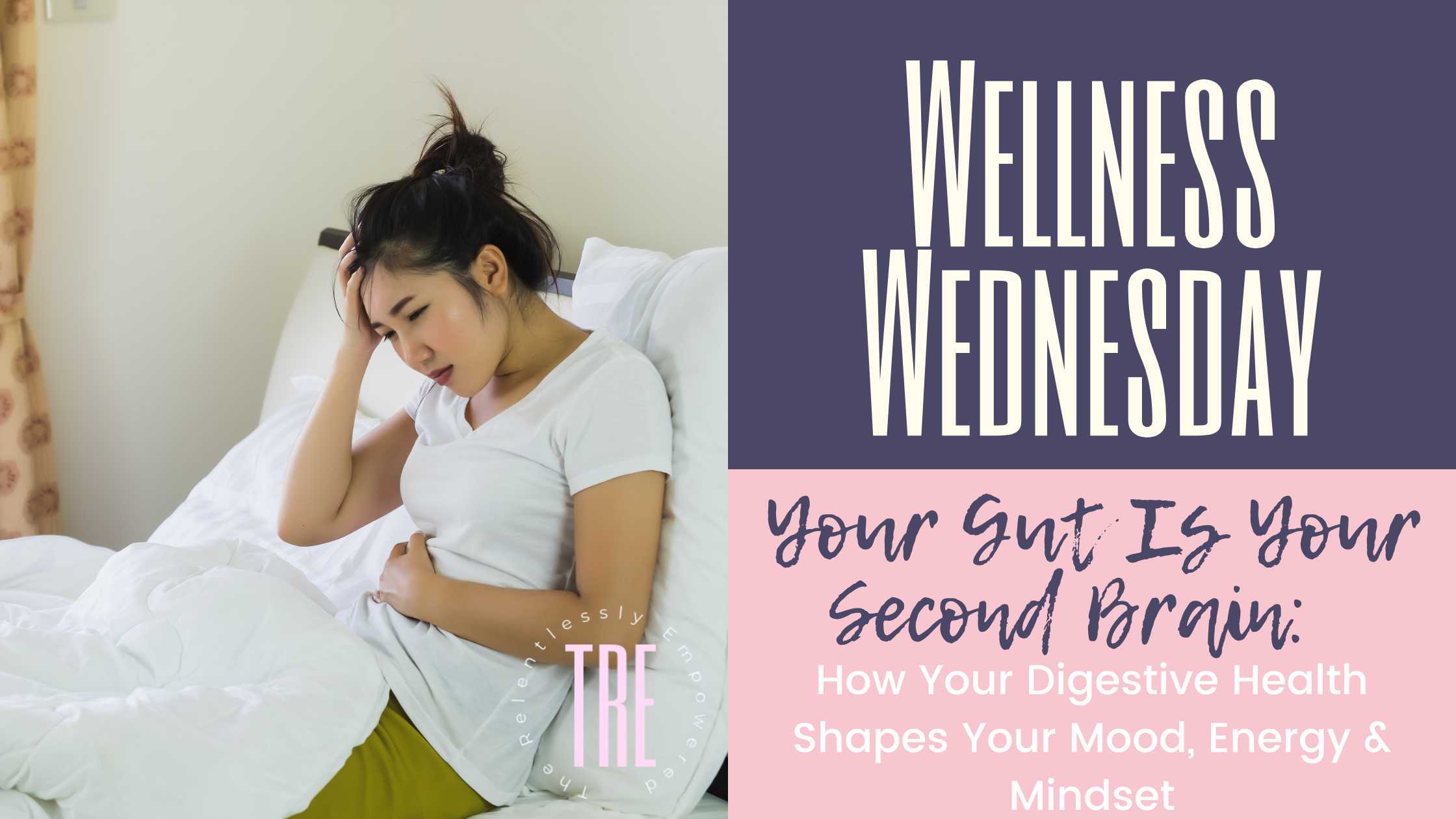
Your Gut Is Your Second Brain: How Your Digestive Health Shapes Your Mood, Energy & Mindset
Most people think their mood is controlled entirely by their brain…
but the truth is your emotional health begins much lower — in your gut.
Most people think their mood is controlled entirely by their brain…
but the truth is your emotional health begins much lower — in your gut.
Your gut isn’t just a place where food is digested.
It’s a powerful, intelligent system that communicates with your brain every single second of the day. In fact, it’s so influential that scientists call it “the second brain.”
If you’ve been dealing with anxiety, mood swings, brain fog, irritability, low energy, or unexplained emotional dips, your gut might be signaling that something needs attention.
Let’s break down exactly how your gut influences your mental health — and what you can do today to strengthen your gut-brain connection.
Your Gut Makes 95% of Your Serotonin — Not Your Brain
When people hear “serotonin,” they think brain chemical, but here’s the surprising truth:
👉 About 95% of your serotonin — your “feel-good hormone” — is made in your gut.
Serotonin plays a major role in:
Mood stabilization
Happiness
Motivation
Sleep
Appetite
Digestion
Emotional regulation
If your gut is imbalanced, inflamed, or lacking healthy bacteria, your body can’t produce serotonin efficiently — and your mood pays the price.
This is one of the biggest missing links in mental wellness.
Your Gut and Brain Are Constantly Talking — Through the Vagus Nerve
Your gut and brain are connected by a superhighway of communication called the vagus nerve — a long nerve that sends signals both ways, all day long.
When your gut is healthy, the messages being sent to your brain sound like:
✔ “We’re calm.”
✔ “We’re balanced.”
✔ “We’re safe.”
But when your gut is inflamed or out of balance, the messages change dramatically:
✖ “We’re stressed.”
✖ “We’re overwhelmed.”
✖ “We’re irritated.”
✖ “We’re anxious.”
Your brain responds to the gut’s signals — not the other way around.
This is why improving gut health often leads to noticeable emotional transformation.
Poor Gut Health = Poor Mental Health
Imbalances in the gut microbiome can cause (or worsen):
1. Increased Anxiety & Depression
An inflamed gut sends distress signals that elevate stress hormones and reduce serotonin availability.
2. Brain Fog & Memory Problems
Your brain depends on nutrients absorbed through the gut.
When digestion is impaired, thinking becomes slower, foggier, and less sharp.
3. Mood Swings & Irritability
Your gut bacteria influence hormones, neurotransmitters, and inflammation — all of which affect mood stability.
4. Low Stress Resilience
A stressed gut means a stressed nervous system.
You become more reactive, overstimulated, and emotionally sensitive.
This is not “all in your head.”
It’s deeply connected to your gut.
How to Strengthen Your Gut–Brain Connection
The beautiful thing is that gut health can be improved — sometimes dramatically — with simple, intentional habits.
Here are TRE-approved strategies to nourish your gut every single day:
1️⃣ Add More Probiotic-Rich Foods
These foods introduce beneficial bacteria into your gut:
Greek yogurt
Kefir
Sauerkraut
Kimchi
Miso
Tempeh
Kombucha
Just a few servings per week can positively shift your microbiome.
2️⃣ Prioritize Fiber Every Day
Fiber acts as fuel for healthy gut bacteria.
Great sources include:
Leafy greens
Oats
Beans & lentils
Berries
Nuts & seeds
Sweet potatoes
Fiber = a happier, healthier gut.
3️⃣ Eat Fermented Foods Regularly
Fermented foods improve digestion, reduce inflammation, and enhance nutrient absorption.
Adding even 1 tablespoon of sauerkraut or ½ cup of kombucha per day can make a visible difference in mood and digestion.
4️⃣ Drink More Water
Hydration helps your gut move waste, absorb nutrients, and maintain a healthy environment for bacteria.
5️⃣ Reduce Ultra-Processed Foods & Excess Sugar
Sugar feeds harmful bacteria and increases inflammation — both of which can worsen anxiety and mood swings.
6️⃣ Add Anti-Inflammatory Foods Daily
Your gut loves:
Avocado
Olive oil
Salmon
Turmeric
Ginger
Berries
Dark leafy greens
These foods reduce inflammation and support serotonin production.
A Healthy Gut = A Happier Mind
Your gut doesn’t just digest food — it shapes your mood, energy, confidence, and emotional resilience.
When your gut is nourished, your brain receives clearer, calmer, more positive signals.
Your focus improves.
Your mood stabilizes.
Your stress response softens.
Your mind feels lighter, clearer, and more grounded.
This is why taking care of your gut is one of the most loving things you can do for yourself — physically and emotionally.
Ready to Support Your Gut & Emotional Wellness? TRE Has You Covered.
You don’t have to figure this out alone.
Inside The Relentlessly Empowered store, you’ll find practical, simple tools to support your gut, your mood, and your overall well-being:
✨ Free nutrition guides
✨ Anti-Inflammatory 30-Day Meal Plan
✨ Smoothie & juice guides
✨ Daily wellness checklists
✨ Journals for stress, mindset & gratitude
✨ Mocktail guides to reduce inflammation
✨ Low-cost mini-ebooks & habit trackers
All created to help you feel better from the inside out — one simple step at a time.
👉 Explore FREE & low-cost resources at TheRelentlesslyEmpowered.com
and strengthen your gut, mind, and mood with support you can trust.

🌿 Wellness Wednesday: 3 Gut-Healing Foods to Add to Your Plate Today
Your gut health is the foundation of your overall wellness. When your digestive system is nourished and balanced, it doesn’t just help with smoother digestion—it strengthens your immune system, boosts energy levels, and even supports your mental clarity. Today, let’s dive into three powerful categories of gut-healing foods you can start adding to your plate right away.
Your gut health is the foundation of your overall wellness. When your digestive system is nourished and balanced, it doesn’t just help with smoother digestion—it strengthens your immune system, boosts energy levels, and even supports your mental clarity. Today, let’s dive into three powerful categories of gut-healing foods you can start adding to your plate right away.

Gut-healing foods: fermented (kimchi, kefir), prebiotic (garlic, onions), and fiber-rich (berries, oats).
1. Fermented Foods
Examples: Kimchi, Sauerkraut, Kefir
Fermented foods are packed with live probiotics—those friendly bacteria that help balance your gut microbiome. These foods can reduce bloating, strengthen your immune system, and improve nutrient absorption. Kimchi and sauerkraut, for example, also deliver antioxidants and vitamins, while kefir provides calcium and protein for bone health.
👉 Pro tip: Add a spoonful of kimchi or sauerkraut as a flavorful side dish, or use kefir in your smoothies for a gut-friendly twist.
2. Prebiotic Foods
Examples: Sweet Potatoes, Garlic, Onions
If probiotics are the “good bacteria,” then prebiotics are the fuel that help them thrive. Foods like garlic, onions, and sweet potatoes provide fiber and resistant starches that feed healthy bacteria in your gut. This not only improves digestion but also helps regulate blood sugar and supports long-term gut health.
👉 Pro tip: Roast sweet potatoes for a comforting side, or add garlic and onions to your soups, stir-fries, and sauces for a double punch of flavor and gut support.
3. Fiber-Rich Foods
Examples: Berries, Beans, Oats
Fiber is a powerhouse for gut health—it keeps things moving, supports healthy cholesterol levels, and fuels the bacteria in your digestive tract. Berries bring antioxidants to the table, beans offer plant-based protein, and oats provide beta-glucan, a type of soluble fiber that promotes heart health.
👉 Pro tip: Sprinkle berries on your morning oats, toss beans into your salads, or try overnight oats with fruit for an easy, nourishing breakfast.
🌸 Final Thought
Caring for your gut is one of the best gifts you can give your body. Start by incorporating even one food from each of these categories into your meals this week. Small changes lead to big results—and your body will thank you for it.
💡 Want more step-by-step guidance on healing your gut, reducing inflammation, and eating in a way that actually feels good? Explore our 30-Day Anti-Inflammatory Meal Plan or join the Simplify Healthy Eating Meal Plan Membership for simple recipes, grocery lists, and the accountability you need to stay on track.