
Finishing the Month With Grace, Not Pressure
As February comes to a close, many people take an invisible inventory:
“What did I stick to?”
“What did I mess up?”
“What didn’t go the way I planned?”
And too often, that reflection turns into pressure — or worse, self-criticism.
But what if the end of this month wasn’t about evaluating your performance…
What if it was about honoring your perseverance?
As February comes to a close, many people take an invisible inventory:
“What did I stick to?”
“What did I mess up?”
“What didn’t go the way I planned?”
And too often, that reflection turns into pressure — or worse, self-criticism.
But what if the end of this month wasn’t about evaluating your performance…
What if it was about honoring your perseverance?
Progress Isn’t Always Loud
Not all growth is measurable.
Sometimes progress looks like:
Catching yourself before spiraling into all-or-nothing thinking
Choosing nourishment over punishment
Recognizing patterns you didn’t see before
Showing yourself grace instead of quitting
These shifts matter — even if they don’t show up as dramatic milestones.
Especially then.
Why How You Finish February Matters
The way you close a season sets the tone for the next one.
If you end February disappointed, rushed, or discouraged, you carry that energy forward.
If you end it grounded, reflective, and compassionate, you move into March with clarity.
You don’t need to “make up for” anything.
You don’t need a dramatic reset.
You need integration.
A Better Question to Ask Right Now
Instead of:
“Did I do enough this month?”
Ask:
“What did I learn about myself?”
What supported you?
What drained you?
What felt sustainable?
What didn’t?
This awareness is wisdom — and wisdom is what creates lasting change.
Carrying Momentum Without Burnout
Momentum doesn’t come from pressure.
It comes from trust.
Trust that small, steady choices compound.
Trust that your body responds to consistency.
Trust that you don’t have to start over — you can simply continue.
February wasn’t a test.
It was practice.
And you showed up.
👉 As you move toward a new month, explore the New Beginnings Journal and our Simplify Healthy Eating resources for grounded, realistic tools that help you stay consistent — without losing yourself in the process.
Staying With Yourself When Motivation Fades
By the time February reaches its final stretch, something subtle often happens.
The excitement of a fresh start has faded.
The routines that felt energizing in January now feel… ordinary.
And many people quietly decide they’ve “fallen off,” even when they haven’t.
This is the moment that matters most.
By the time February reaches its final stretch, something subtle often happens.
The excitement of a fresh start has faded.
The routines that felt energizing in January now feel… ordinary.
And many people quietly decide they’ve “fallen off,” even when they haven’t.
This is the moment that matters most.
Because real growth doesn’t happen in the loud, motivated seasons.
It happens in the quiet weeks when no one is cheering — and you choose to stay with yourself anyway.
The Truth About Motivation (That No One Talks About)
Motivation was never meant to be permanent.
It’s emotional. Seasonal. Fleeting.
If motivation were required for consistency, no one would ever change long-term.
What does last is commitment rooted in compassion — the ability to keep showing up gently, even when energy is low or progress feels slow.
February isn’t a failure point.
It’s a strength-building season.
Staying With Yourself Looks Like This
Staying with yourself doesn’t mean doing everything perfectly.
It means adjusting without abandoning.
It looks like:
Choosing meals that support your energy instead of swinging between extremes
Moving your body in ways that feel accessible, not punishing
Making space for reflection instead of self-criticism
Letting “enough” be enough on days when “extra” isn’t possible
Consistency isn’t about intensity.
It’s about returning without judgment.
Why February Is Actually Doing You a Favor
February strips away the noise.
No “new year, new you” slogans.
No pressure to overhaul everything overnight.
What’s left is honesty.
And honesty is where sustainable habits are built.
If you can stay connected to yourself here — when things are quieter, slower, and less exciting — you’re building something that lasts far beyond this season.
A Gentle Reset for This Week
Instead of asking:
“What should I be doing more of?”
Try asking:
“What would support me right now?”
One small shift.
One nourishing choice.
One moment of self-trust.
That’s enough.
👉 If you’re looking for structured guidance to help you stay consistent without burning out, explore the New Beginnings Journal and other low-cost resources inside our Simplify Healthy Eating ecosystem. These tools were created to support real life — not perfection.
Resetting the Way You Think About Consistency
If you’ve ever said to yourself:
“I always fall off track.”
“I don’t have enough time to take care of myself.”
“Everything feels overwhelming, so I don’t even know where to start.”
“I’ve tried this before and it didn’t work.”
“I’ll get motivated once life calms down.”
Let me gently say this:
If you’ve ever said to yourself:
“I always fall off track.”
“I don’t have enough time to take care of myself.”
“Everything feels overwhelming, so I don’t even know where to start.”
“I’ve tried this before and it didn’t work.”
“I’ll get motivated once life calms down.”
Let me gently say this:
You’re not broken.
You’re not lazy.
And you’re not inconsistent.
You’ve just been trying to build consistency from the wrong starting point.
This Monday, we’re not resetting goals — we’re resetting the mindset behind them.
When “I’m Not Consistent” Isn’t the Real Problem
So many people label themselves as inconsistent when what they really mean is:
They tried to do too much, too fast
They built routines that didn’t fit their real life
They expected motivation to come before action
They didn’t have a system to return to when life got messy
Consistency isn’t about never falling off.
It’s about having a way back.
And that starts by asking better questions.
From Self-Criticism to Supportive Questions
❌ “I always fall off track.”
➡️ What would consistency look like if it were simple and realistic for my life right now?
Consistency doesn’t have to look like daily perfection.
Sometimes consistency looks like:
Showing up three times instead of seven
Restarting instead of quitting
Choosing “good enough” instead of all-or-nothing
Real consistency meets you where you are — not where you think you should be.
❌ “I never have enough time to take care of myself.”
➡️ Where can I create space — even five minutes — to support myself today?
Five minutes of intention beats zero minutes of overwhelm.
Five minutes of journaling.
Five minutes of breathing.
Five minutes of movement.
Five minutes of reflection.
You don’t need more time.
You need permission to start small — and to let small be enough.
❌ “Everything feels overwhelming, so I don’t know where to start.”
➡️ What is one small shift that would make everything else feel easier?
Overwhelm often comes from trying to fix everything at once.
Instead of asking:
“What do I need to change about my whole life?”
Try asking:
“What’s one thing that would make today feel lighter?”
One habit.
One boundary.
One decision.
Momentum is built through tiny wins, not massive overhauls.
❌ “I’ve tried this before and it didn’t work.”
➡️ What did I learn from past attempts that I can use to support myself better this year?
Past attempts weren’t failures — they were feedback.
Maybe you learned:
What pace doesn’t work for you
What kind of structure you need
What triggers burnout
What actually helps you stay grounded
This year doesn’t have to be different because you’re “more disciplined.”
It can be different because you’re more compassionate and more honest.
❌ “I’ll feel motivated once things calm down.”
➡️ What actions help me feel grounded and motivated, even when life is busy?
Motivation doesn’t come from waiting.
It comes from movement.
From clarity.
From having a plan you can return to on hard days.
Life may not slow down — but you can learn how to stay rooted within it.
A Fresh Start That Actually Lasts
A powerful fresh start doesn’t come from hype, pressure, or rigid rules.
It comes from:
Reflection instead of self-judgment
Systems instead of willpower
Gentle structure instead of extremes
Daily intention instead of waiting for the “right time”
This is what sustainable consistency looks like.
Not perfection — presence.
Monday Mindset Reflection
As you step into this week, ask yourself:
What would it look like to support myself instead of pushing myself?
And then take one small step — not to impress anyone, but to honor yourself.
Ready to Reset with Support?
If you’re craving structure that feels grounding — not overwhelming — we created resources to walk with you through this season.
✨ The New Beginnings Journal is designed to help you:
Reset your mindset without pressure
Build consistency through reflection and intention
Create routines that fit real life
Stay anchored when motivation fades
We also offer low-cost tools and resources to support your journey throughout the year — because growth should be accessible, not intimidating.
You don’t have to do this alone — and you don’t have to do it perfectly.
Just consistently choose yourself.

How the Way You Eat Shapes Your Mood, Energy, and Consistency
Mondays don’t need more pressure.
They need clarity, compassion, and intention.
So many of us begin the week with the same quiet questions running in the background of our minds:
Mondays don’t need more pressure.
They need clarity, compassion, and intention.
So many of us begin the week with the same quiet questions running in the background of our minds:
Why do I feel drained before the day even starts?
Why does my motivation disappear halfway through the afternoon?
Why do I feel “off,” even when I’m trying to do better?
Often, the answer isn’t willpower.
It’s awareness.
The way we eat doesn’t just fuel our bodies — it directly influences our mood, focus, energy, stress levels, and ability to stay consistent. And until we pause long enough to notice those patterns, it’s easy to believe the problem is us.
It isn’t.
This Monday, instead of pushing harder, let’s reflect deeper.
Noticing Energy Crashes Without Judgment
One of the most powerful mindset shifts you can make is learning to observe without criticizing.
Ask yourself:
When do I notice the biggest energy crashes during the day?
Mid-morning?
Early afternoon?
Late evening?
Energy dips are not character flaws. They’re signals.
They often point to blood sugar swings, skipped meals, overly processed foods, or long stretches without nourishment — physical or emotional. When we ignore those signals, our bodies compensate by craving quick fixes: sugar, caffeine, scrolling, or checking out altogether.
But when we notice them, we gain leverage.
Awareness is the first form of consistency.
How Meals Make You Feel After You Eat
Another gentle but revealing question is:
How do certain meals make me feel 1–2 hours afterward?
Not how they taste.
Not how “healthy” they sound.
But how they leave you feeling.
Do you feel:
Clear or foggy?
Calm or anxious?
Steady or shaky?
Energized or exhausted?
This isn’t about labeling foods as good or bad. It’s about understanding your body’s feedback.
Some meals spike energy quickly, then drop it just as fast. Others provide slower, steadier fuel that helps you think clearly, stay grounded, and respond instead of react.
Consistency becomes easier when your body isn’t constantly trying to recover.
Habits That Create Stability, Not Chaos
Consistency isn’t built on motivation — it’s built on stability.
Ask yourself:
What habits help me feel most balanced and steady?
For many people, the answers are surprisingly simple:
Eating regular meals
Including protein and fiber
Drinking enough water
Taking short movement breaks
Pausing before reacting to stress
These habits don’t look flashy.
They don’t feel dramatic.
But they are powerful.
When your body feels supported, your mind follows.
One Small Shift Is Enough
Overwhelm often comes from trying to change everything at once.
So instead, ask:
What is one small daily shift I can commit to this week?
Not forever.
Not perfectly.
Just for this week.
Maybe it’s eating breakfast before checking your phone.
Maybe it’s adding protein to lunch.
Maybe it’s drinking water before coffee.
Maybe it’s writing for five minutes instead of scrolling.
Small shifts compound — especially when they’re chosen intentionally.
Learning Your Body’s Signals
Your body is constantly communicating with you.
Ask yourself:
What signals does my body give me when my blood sugar feels balanced vs. unbalanced?
Balanced might feel like:
Calm focus
Even energy
Fewer cravings
Emotional steadiness
Unbalanced might show up as:
Irritability
Brain fog
Anxiety
Fatigue
Strong cravings
When you learn these cues, you stop guessing — and start responding with care instead of frustration.
That’s not just nutrition.
That’s wisdom.
Consistency Starts With Reflection, Not Perfection
The truth is, most people don’t struggle with consistency because they don’t care.
They struggle because they’ve never been taught how to slow down, notice patterns, and support themselves realistically.
That’s why reflection matters.
That’s why journaling works.
That’s why gentle structure beats rigid rules every time.
A Gentle Invitation
If you’re ready to stop starting over every Monday and begin building sustainable consistency, I invite you to explore the New Beginnings Journal.
It was created to help you:
Reflect without judgment
Identify patterns that actually matter
Build habits that fit your real life
Create momentum without burnout
Inside our ecosystem, you’ll also find low-cost tools and resources designed to support your mindset, nutrition awareness, and daily rhythms — without overwhelm.
Because consistency doesn’t come from doing more.
It comes from understanding yourself better.
And that’s always a powerful place to begin.
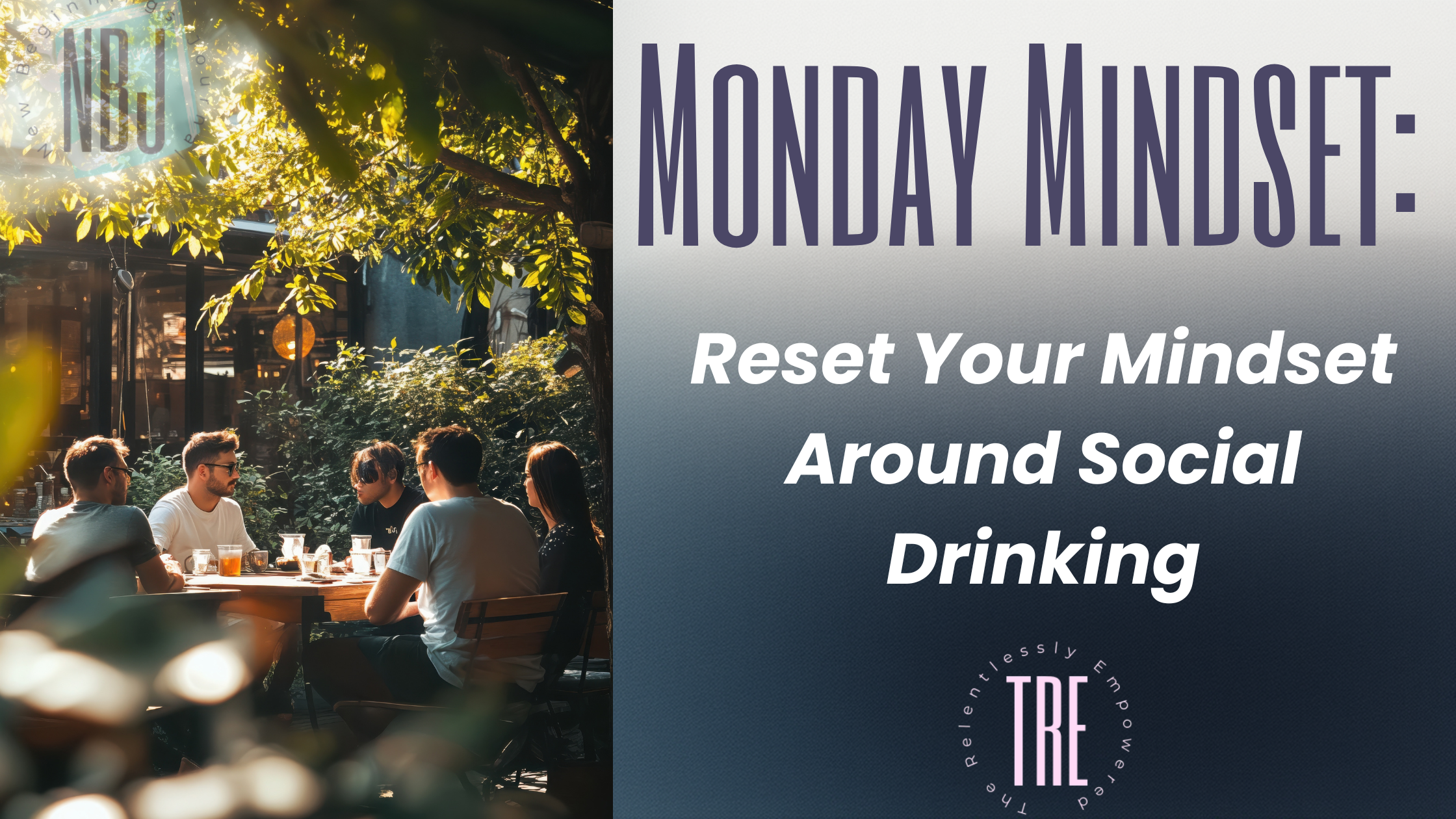
Reset Your Mindset Around Social Drinking
The hardest part about changing your relationship with alcohol
isn’t the drink.
It’s the stories you’ve been telling yourself about who you have to be to belong.
“I’ll seem boring.”
“I won’t relax.”
“I’ll look difficult.”
“I don’t want to be uptight.”
“I need it to feel confident.”
But look at what’s actually underneath those thoughts…
The hardest part about changing your relationship with alcohol
isn’t the drink.
It’s the stories you’ve been telling yourself about who you have to be to belong.
“I’ll seem boring.”
“I won’t relax.”
“I’ll look difficult.”
“I don’t want to be uptight.”
“I need it to feel confident.”
But look at what’s actually underneath those thoughts…
They’re not about alcohol.
They’re about approval.
This carousel is an invitation to rewrite those stories:
“Everyone will think I’m boring if I don’t drink.”
→ If my value depends on alcohol, those aren’t my people.
“I won’t have fun without a drink.”
→ I want to actually experience and remember the fun.
“Saying no makes me high-maintenance.”
→ Prioritizing my health and goals makes me intentional and strong.
“One drink won’t hurt.”
→ My commitment to myself matters more than momentary comfort.
“I need alcohol to feel confident.”
→ Real confidence comes from showing up as myself — not a numbed-out version of me.
This isn’t about restriction.
It’s about self-respect.
It’s about deciding that your nervous system, your energy, your clarity, and your future are worth protecting — even when it feels uncomfortable.
And that’s why journaling changes everything.
When you write your thoughts down, you stop letting them quietly run your life.
You start choosing your beliefs instead of inheriting them.
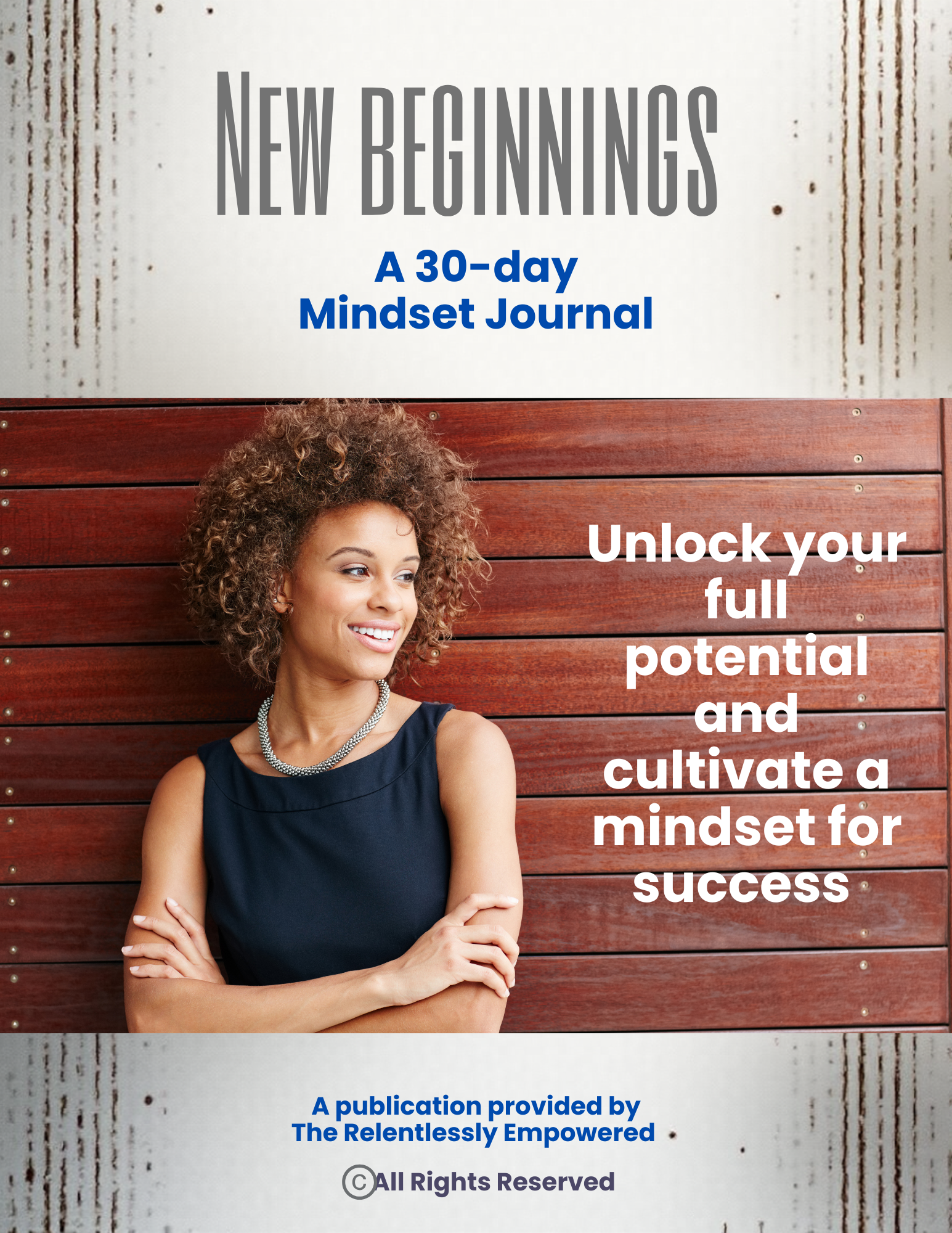
The New Beginnings 30-Day Mindset Journal was created to help you do exactly that — untangle old patterns, challenge automatic thinking, and build a mindset that actually supports the woman you’re becoming.
You don’t need to numb yourself to be loved.
You just need to be honest.
Learn more here.

Alcohol & Your Body-What Really Happens When You Drink
Most people think alcohol only affects their mood.
But it touches every system in your body —
your liver, your gut, your brain, and your sleep.
And when those systems are overwhelmed, your entire life feels harder.
Most people think alcohol only affects their mood.
But it touches every system in your body —
your liver, your gut, your brain, and your sleep.
And when those systems are overwhelmed, your entire life feels harder.
Your liver is your body’s main filter.
It processes nearly all the alcohol you drink — and it can only handle about one drink per hour.
When drinking becomes frequent, fat builds up, inflammation rises, and toxins circulate instead of being cleared.
The good news? Liver healing begins within days of stopping.
Your sleep looks like it improves when you drink… but that’s an illusion.
Alcohol blocks REM sleep — the stage where your brain repairs, resets, and regulates emotion.
You fall asleep fast, but you wake up foggy, moody, and depleted.
Sleep quality begins to normalize within a week of reducing or stopping.
Your brain runs on delicate chemistry.
Alcohol depletes dopamine, serotonin, and GABA — the same chemicals that regulate motivation, mood, and calm.
That’s why memory, focus, and emotional balance suffer.
Mental clarity starts returning in just 1–2 weeks.
Your gut is where 90% of your serotonin is made.
Alcohol damages the gut lining, kills good bacteria, and creates inflammation that spreads through the whole body.
That “blah,” anxious, or depressed feeling?
A lot of it starts here.
Gut healing begins within 2–3 weeks.
This isn’t about shame.
It’s about understanding your body instead of fighting it.
When you know what’s happening underneath the surface, you can finally stop blaming yourself — and start making aligned choices that support the life you want.
And that’s why journaling matters.
The New Beginnings 30-Day Mindset Journal helps you track how your body, emotions, habits, and clarity change when you stop numbing and start listening.
Your body isn’t betraying you.
It’s asking for your attention.
Explore the journal here.

🌐 Reclaiming Peace in a Hyper-Connected World
In a time where our devices are almost always within arm’s reach, being mindful of our digital consumption has never been more important. The news is heavy. Social feeds are noisy. Algorithms are designed to hold your attention—not protect your peace.
So how do we take our power back?
We start by pausing… and reflecting. That’s where journal prompts like the ones in this post come in.
In a time where our devices are almost always within arm’s reach, being mindful of our digital consumption has never been more important. The news is heavy. Social feeds are noisy. Algorithms are designed to hold your attention—not protect your peace.
So how do we take our power back?
We start by pausing… and reflecting. That’s where journal prompts like the ones in this post come in.

5 Journal Prompts for Mindful Digital Living
🌀 1. What emotions come up when I scroll social media?
Does it energize you or drain you? Do you leave feeling inspired—or envious? Your emotional response is your compass.
🌀 2. How much time do I spend consuming vs. creating or connecting?
Are you watching someone else live, or actively living your own life? Track your screen time. Challenge yourself to shift the ratio.
🌀 3. When I’m offline, what do I notice more of—in myself or around me?
The world doesn’t stop when you put your phone down. In fact, it often becomes more real. What beauty are you missing?
🌀 4. What parts of my identity or self-worth have become tied to online validation?
It’s okay to want to be seen. But you don’t need likes to prove your worth. Unplug and redefine who you are without the filter.
🌀 5. How can I design a digital space that supports the version of me I’m becoming?
That means unfollowing negativity, setting app time limits, curating your feed with intention, and logging off when necessary.
🙏 Faith & Digital Boundaries
This isn’t just about self-care—it’s about stewardship. God has called us to renew our minds and guard our hearts. That includes what we consume on screens. If what you scroll is sowing seeds of anxiety, comparison, or division, it’s time to shift your soil.
“Above all else, guard your heart, for everything you do flows from it.” – Proverbs 4:23
💡 Ready to Break Free from Digital Overload?
The New Beginnings Mindset Journal helps you refocus your energy with powerful prompts that nurture faith, clarity, and purpose.
The Faith Over Fear Journal is perfect for grounding your heart when the world feels chaotic.
🛒 Grab yours now at TheRelentlesslyEmpowered.com
✨ Start a new digital rhythm—one that honors your peace.

Win Your Morning, Win Your Day
The way you start your morning sets the tone for everything else. If you want better focus, energy, and peace, it begins with the first hour of your day.
The way you start your morning sets the tone for everything else. If you want better focus, energy, and peace, it begins with the first hour of your day.
5 Elements of a Strong Morning Routine
Hydrate First. Drink water before coffee or screens. Add lemon for an extra boost.
Move Your Body. Stretch, walk, or dance to wake up your energy.
Set Your Intentions. Decide how you want to feel and what matters most today.
Fuel Your Body. Choose protein, healthy fats, and complex carbs over sugary quick fixes.
Delay the Scroll. Protect your mind by avoiding social media and emails in the first 30 minutes.
Why Morning Routines Work
Morning routines remove decision fatigue and put you in control of your day before the world demands your attention. They boost energy, create focus, and help you show up with purpose.
The Takeaway
You don’t need a perfect morning routine—just one that works for YOU. Start with one change this week and build from there.
👉 The New Beginnings 30-Day Mindset Journal gives you daily prompts to help you set intentions, reflect, and build habits that turn mornings into a launchpad for success.
Your Guide to Transformational Growth
✨ Imagine This...
You wake up feeling lighter, more energized, and clear-headed — without counting calories, starving yourself, or wondering what to eat next.
This isn’t just about food. This is about fueling your body, strengthening your spirit, and breaking free from the inflammation that’s been holding you back.
💖 What’s Inside the Plan
You’ll get a complete, done-for-you roadmap to eat better, feel better, and live empowered — without overwhelm or stress.
✅ 30 Easy, Mediterranean-Inspired Recipes
Delicious, anti-inflammatory meals that heal from the inside out.
✅ Full 4-Week Meal Plan
No guesswork. Just nourishing meals mapped out for the next 30 days.
✅ Weekly Grocery Lists
Exactly what you need — no more, no less.
✅ Grocery Shopping Guide
Tips to stretch your budget and avoid food waste.
✅ Meal Prep Tips + Printable Checklist
Make healthy eating simple, even when life gets busy.
🙌🏽 Plus, You’ll Also Receive These Faith-Filled Bonuses
✅ Faith-Based Encouragement & Scripture
Because healing your body starts with renewing your mind.
✅ Hydration Guide + 5 Nourishing Mocktail Recipes
Ditch the soda and alcohol. Sip on wellness instead.
✅ Smart Add-Ins Guide
Learn how to add lean protein, healthy fats, and smart carbs without derailing your results.
✅ Bonus Anti-Inflammatory Recipes
Extra flavor, extra healing — because you deserve more than basic.
✝️ Faith Meets Function
“So whether you eat or drink or whatever you do, do it all for the glory of God.”
– 1 Corinthians 10:31
This plan doesn’t just feed your body — it nourishes your soul. You’ll learn to make choices from a place of stewardship, not shame.
💬 What People Are Saying
“I’ve never felt this energized. The meals are so simple, but so healing. And the scriptures were exactly what I needed.”
“This plan changed how I think about food. I feel strong, focused, and finally inflammation-free.”
🎁 Get The Full 30-Day Lifestyle Kit Today for Just $47
That’s right — for the price of one takeout meal, you’ll have:
A month’s worth of healing recipes
A step-by-step game plan
Bonus hydration tools
Spiritual encouragement
Grocery peace and kitchen confidence
🔥 Limited-Time Offer – Launch Pricing Only $47
Secure your healing roadmap now and take the guesswork out of feeling your best.